
Energy Foods for Training Sessions
Discover comprehensive guides and articles about the best nutritional choices to power your workouts and enhance athletic performance.
Browse Our Content

Quick Carbohydrates: Your Immediate Energy Source
Learn why simple and complex carbohydrates are essential for sustained energy during training sessions. This article explores glucose metabolism and optimal timing for carb consumption before your workout.
Read more →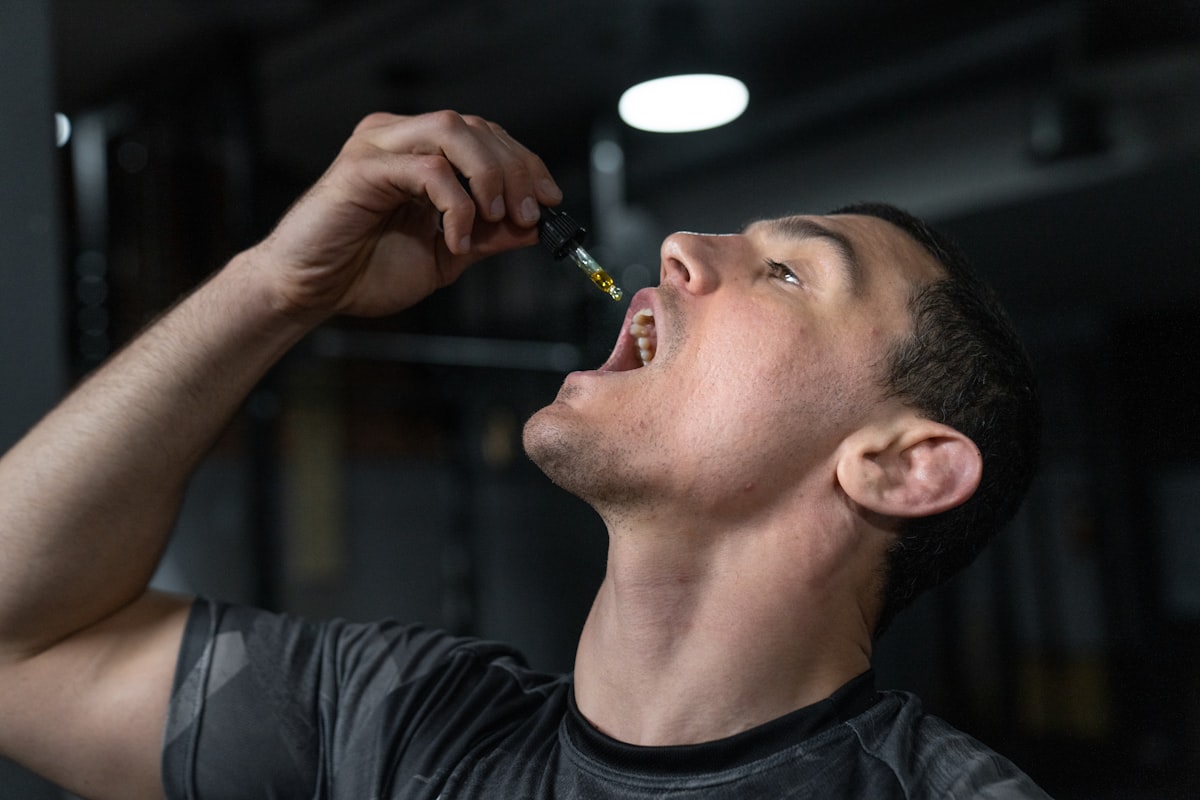
Protein-Packed Foods for Muscle Support
Understand the role of amino acids and protein synthesis in athletic training. Discover which protein sources deliver optimal amino acid profiles for muscle recovery and performance enhancement.
Read more →
Essential Fats and Micronutrients for Endurance
Explore how omega-3 fatty acids, vitamins, and minerals support cardiovascular function and sustained energy production. Learn which foods provide the most concentrated micronutrient benefits.
Read more →
Pre-Workout Meal Timing: The Science Behind It
Discover the optimal window for consuming energy foods before training. This comprehensive guide explains digestion rates, energy availability, and how to avoid gastrointestinal discomfort during exercise.
Read more →
Recovery Nutrition: Foods for Post-Training Repair
Learn how strategic nutrition after training accelerates muscle recovery and replenishes energy stores. Understand the importance of carbohydrate-protein combinations within the post-exercise window.
Read more →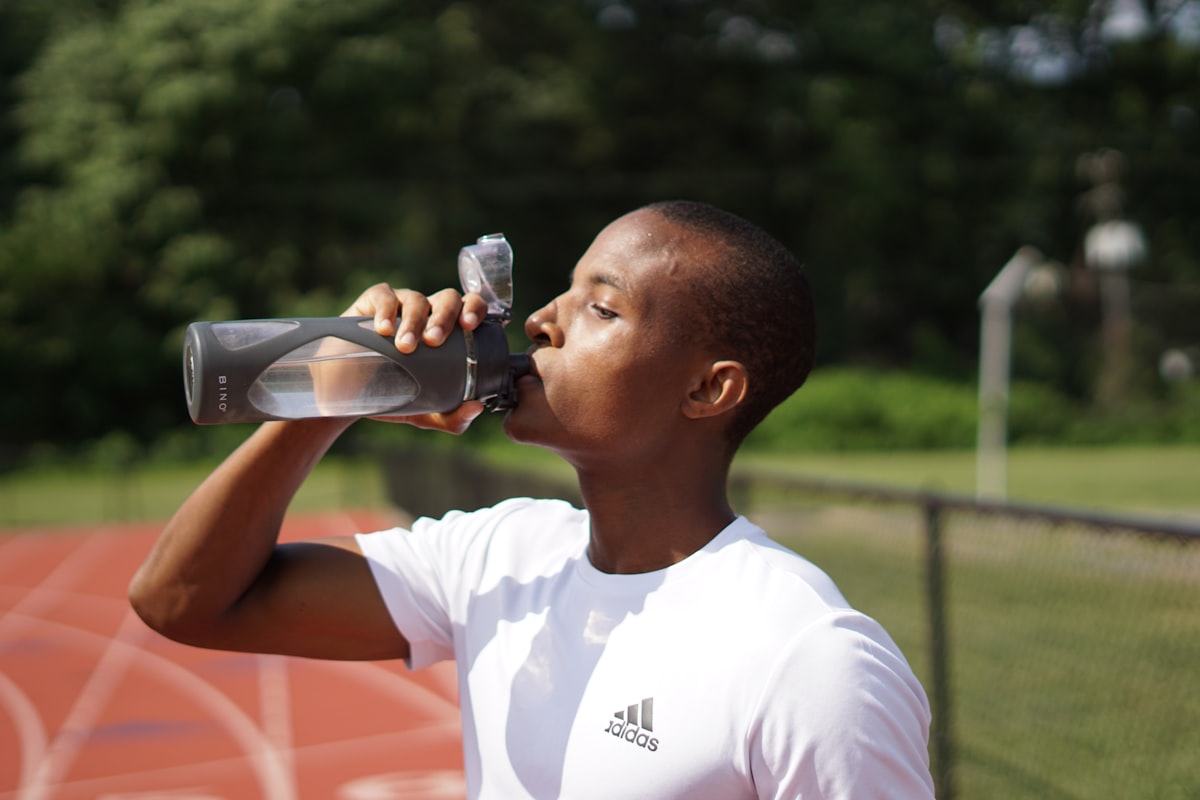
Hydration Strategy: Electrolytes and Fluid Balance
Explore how proper hydration and electrolyte management maintain athletic performance. This article covers sodium, potassium, and fluid intake strategies for different training intensities and durations.
Read more →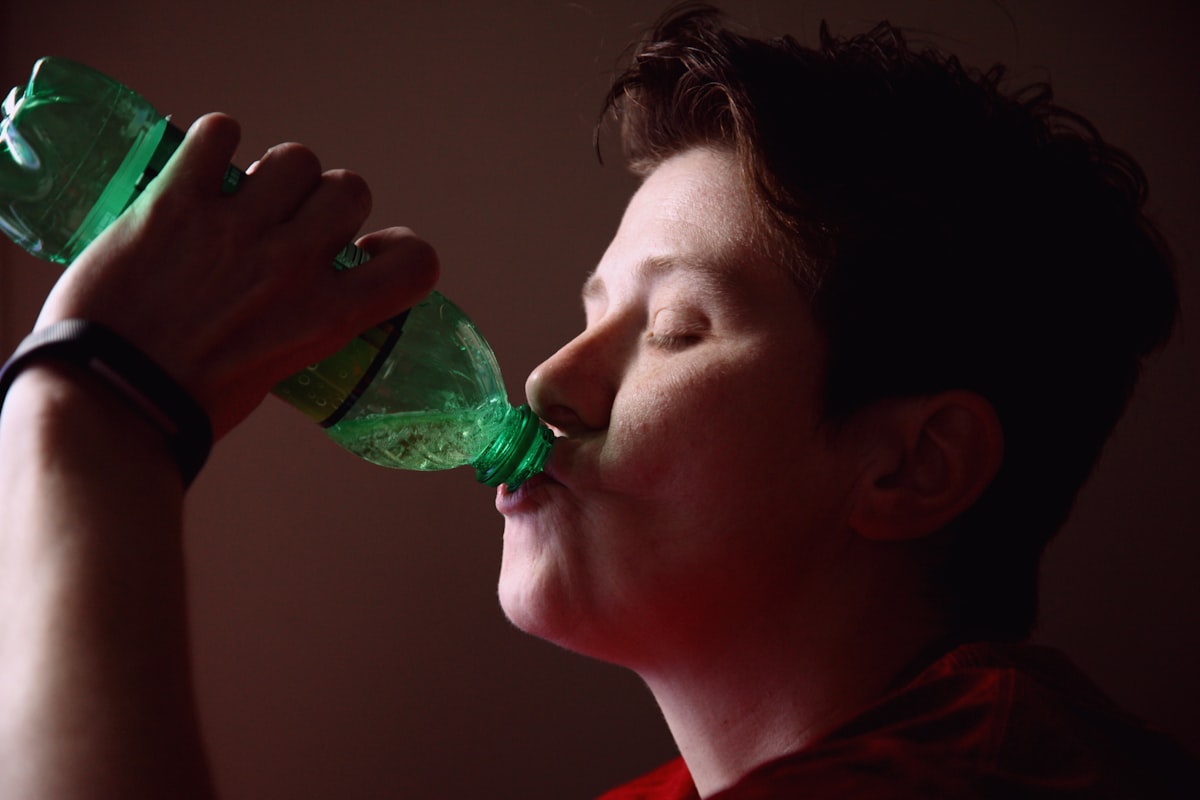
Natural Energy Foods: Whole Food Alternatives
Discover whole food options that deliver sustained energy without processed ingredients. Learn about nutrient density, fiber content, and bioavailability of natural training fuels.
Read more →
Sport-Specific Nutrition: Tailoring Foods to Your Training
Understand how different athletic activities require different nutritional approaches. From endurance events to strength training, learn how to match your energy food choices to your specific training demands.
Read more →Featured Articles from Athleticoptimalfood
Understanding Energy Metabolism During Exercise
Our editorial team explores the biochemical processes that convert food into athletic performance. This deep-dive article explains ATP production, glycogen utilization, and fat oxidation during different training intensities. Understand how your body's energy systems work and how nutritional choices support each system.
Discover this article →Practical Meal Prep Strategies for Athletes
Learn from experienced nutrition professionals about planning and preparing energy foods for consistent training performance. This guide covers batch cooking, food storage, nutrient timing throughout the week, and managing nutrition on busy training schedules. Get actionable strategies you can implement today.
Browse this content →Individual Nutrition Needs: Finding Your Optimal Mix
Not all athletes have identical nutritional needs. Our writers examine how body composition, training volume, age, and personal metabolism affect optimal energy food choices. Learn to assess your individual requirements and experiment with different food combinations to find what works best for your performance.
Learn more →Addressing Common Nutrition Myths in Sports
Separate fact from fiction regarding athlete nutrition. This article tackles widespread misconceptions about energy foods, challenging unsupported claims and presenting evidence-based perspectives. Our editorial board reviews current sports nutrition research to provide you with accurate, actionable information.
Explore article →Frequently Asked Questions
How long before training should I eat?
The optimal timing depends on meal size and individual digestion. A large meal with protein and fat typically requires 2-3 hours for digestion. A lighter snack with primarily carbohydrates can be consumed 30-60 minutes before training. Experiment during non-competitive sessions to find your personal window.
What's the best post-workout food combination?
Research supports consuming carbohydrates plus protein within 1-2 hours after training to support recovery. A 3:1 or 4:1 carbohydrate-to-protein ratio works well for most athletes. Examples include fruit with yogurt, rice with chicken, or a banana with peanut butter.
Can I use energy drinks instead of whole foods?
Sports drinks and gels can supplement whole food nutrition during intense training, but shouldn't replace a foundational diet of nutrient-dense foods. Whole foods provide micronutrients, fiber, and sustained energy that processed drinks cannot match. Use sports products strategically during longer sessions, not as your primary nutrition source.
How much water should I drink during training?
Individual fluid needs vary based on body size, sweat rate, and exercise intensity. A general guideline is 400-800 ml per hour during moderate exercise. Monitor thirst and urine color as practical indicators. In hot conditions, increase intake accordingly. Avoid overhydration, which can lead to electrolyte imbalance.
Are certain foods better for endurance versus strength training?
Yes, training type influences nutritional priorities. Endurance athletes benefit from higher carbohydrate intake for fuel availability. Strength-focused training emphasizes adequate protein for muscle synthesis. Both require overall balanced nutrition, but the macronutrient emphasis shifts based on your primary training goal.
What about nutrition for early morning training sessions?
A small, easily digestible snack 30-45 minutes before morning training works well for most people. Options include banana, toast with honey, or a small handful of dates. Some athletes train fasted successfully, but others experience fatigue. Individual preferences vary—test different approaches during practice sessions to discover your preference.
Testimonials from Our Community
"
The articles on Athleticoptimalfood completely changed how I approach pre-training nutrition. I was eating random snacks without understanding timing or macronutrient needs. Now I have a system that keeps my energy stable throughout intense workouts. The explanations are clear enough for beginners but detailed enough for serious athletes.
Sarah Johnson, Cape Town
"
As an endurance runner, I was struggling with recovery until I read the content about post-workout nutrition. Learning about carbohydrate-protein timing made a huge difference in my ability to train consistently without excessive fatigue. The community here understands what athletes actually need.
Marcus Williams, Johannesburg
"
I appreciate that Athleticoptimalfood focuses on whole foods rather than promoting expensive supplements. The practical meal prep strategies and sport-specific nutrition guides have helped me fuel my training naturally. The research-based approach builds trust, and I've recommended these resources to all my training partners.
Amanda Rodriguez, Durban
Stay Updated with New Articles
Subscribe to our newsletter and receive notifications about new articles on energy foods, training nutrition, and athletic performance.
We respect your privacy. You can unsubscribe at any time.
Ready to Optimize Your Training Nutrition?
Explore our complete collection of articles about energy foods and training nutrition. Learn from our editorial team's research-based insights and join our growing community of athletes committed to informed nutritional choices.